Welcome To My Blog
This is the place where I share my thoughts, insights and commentary… so that economic knowledge becomes a powerful tool for the many. This is te place to build a fairer, more informed and more ethical societies.
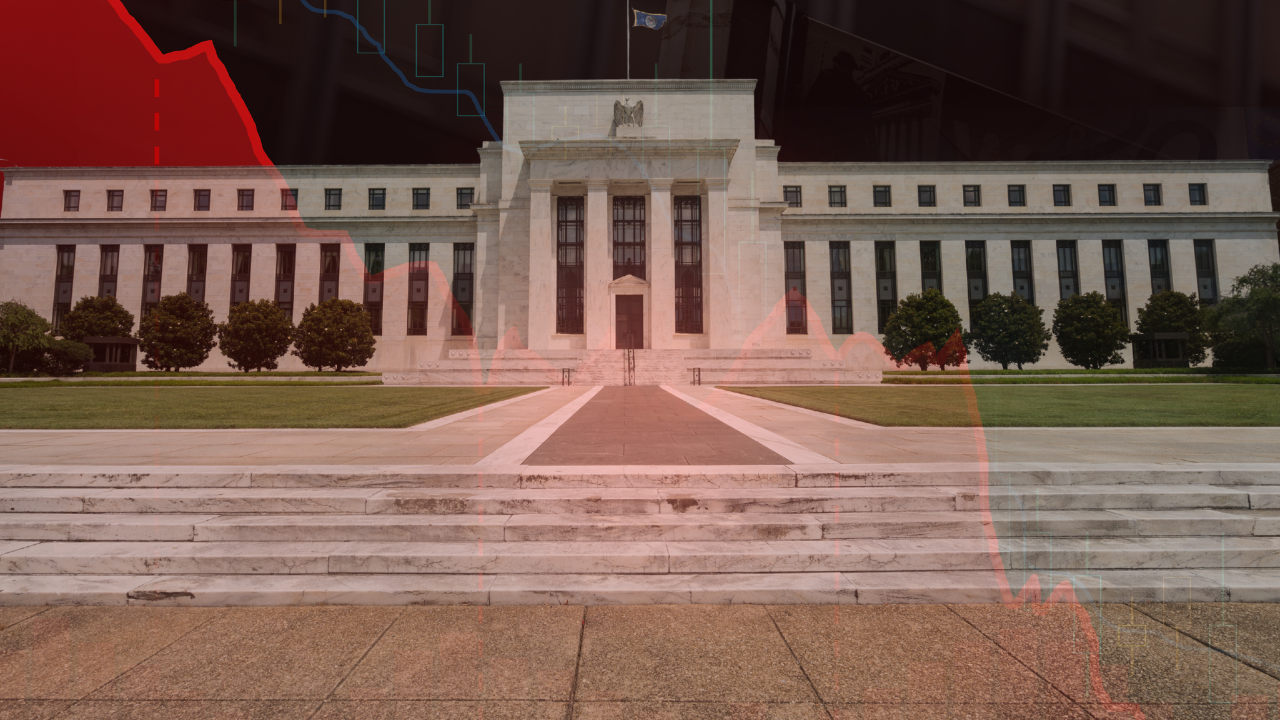
What Happens When a Central Bank Loses Its Credibility?
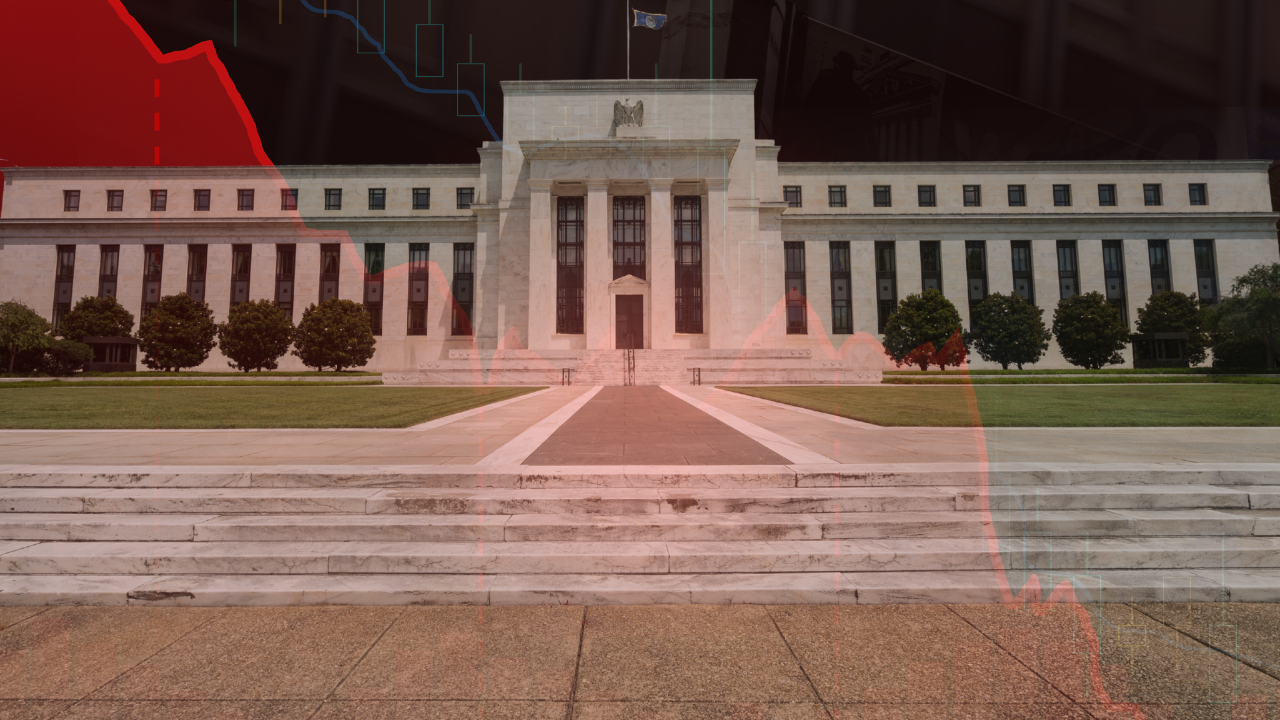
[fusion_builder_container type="flex" hundred_percent="no" equal_height_columns="no" hide_on_mobile="small-visibility,medium-visibility,large-visibility" background_position="center center" background_repeat="no-repeat" fade="no" background_parallax="none" parallax_speed="0.3" video_aspect_ratio="16:9" video_loop="yes" video_mute="yes" border_style="solid"][fusion_builder_row][fusion_builder_column type="1_1" layout="1_1" background_position="left top" border_style="solid" border_position="all" spacing="yes" background_repeat="no-repeat" margin_top="0px" margin_bottom="0px" animation_speed="0.3" animation_direction="left" hide_on_mobile="small-visibility,medium-visibility,large-visibility" center_content="no" last="true" hover_type="none" min_height="" link="" background_blend_mode="overlay" first="true"][fusion_text columns="" column_min_width="" column_spacing="" rule_style="" rule_size="" rule_color="" hue="" saturation="" lightness="" alpha="" user_select="" awb-switch-editor-focus="" content_alignment_medium="" content_alignment_small="" content_alignment="" hide_on_mobile="small-visibility,medium-visibility,large-visibility" sticky_display="normal,sticky" class="" id="" width_medium="" width_small="" width="" min_width_medium="" min_width_small="" min_width="" max_width_medium="" max_width_small="" max_width="" margin_top="" margin_right="" margin_bottom="" margin_left="" fusion_font_family_text_font="" fusion_font_variant_text_font="" font_size="" line_height="" letter_spacing="" text_transform="" text_color="" animation_type="" animation_direction="left" animation_color="" animation_speed="0.3" animation_delay="0" animation_offset="" logics=""]Central bank credibility was the focus of my PhD research. Since completing and publishing my thesis, I have frequently applied credibility theory in my professional work. Let me be clear from the start: this is NOT an academic post, but a professional perspective. My motivation for writing it is simple and very recent.While scrolling through the news this morning, I came across a warning from US Treasury Secr. Bessent about a potential recession if the Fed refuses to lower rates. This statement was made during an interview on CNN.Last week, Bessent also publicly listed the five most probable candidates for the Fed Chair position. What do they have in common? Two are members of the Fed’s Board of Governors nominated by Trump, one is the director of the National Economic Council appointed by Trump, one is a former member of the Board of Governors nominated by G.W. Bush, and the last one is BlackRock’s managing director and CIO, who, according to opensecrets.org, donated $33,400 to the Republican Party in 2016.Of course, a Democrat President appoints a Democrat to the Fed chair, and a Republican President appoints a Republican. This is neither a secret nor a new practice. However, here is the issue: Donald Trump is pressing for interest rate cuts, and now Bessent echoes that sentiment, warning of a recession and publishing a shortlist for the next Fed Chair at the same time. Furthermore, Trump claims he will name the next Chair before the end of the year, even though current Fed Chairman Jerome Powell’s term doesn't end until May.Just grasp the moment: the future chairman, who likely wants lower rates, has to wait (and certainly not in silence) until May, observing the current Chairman’s actions and potentially accusing him of ruining the economy with his policies. Since the next Chairman will be appointed by a Republican President and is currently outside the Fed, we cannot assume that their public statements will be unbiased, apolitical, or independent.At the same time, the American economy is facing increased inflation, which shows potential for an upward trend. Lowering interest rates would stimulate economic growth, but at the cost of rising inflation. As of September, inflation is at 3%, well above the Fed’s 2% target.The scenario described, with a nominated Chairman pressing for lower rates and a current Chairman holding firm, creates the public expectation that rates will decrease after May. The public is not stupid, they know that lower interest rates typically lead to higher inflation. This means large market players may start stockpiling early, raising demand and creating a self-fulfilling prophecy of rising inflation before interest rates even fall.I'm under no illusion that this blog post will influence major corporations. However, I want to warn professionals, small and medium business owners, and individuals to prepare for a period of high inflation. Current monetary policy, government pressure, and economic indicators all point in this direction. Regarding government pressure, I recently discussed the dynamics of debt and inflation with Asharq Business with Bloomberg. You can watch my analysis/interview with English or Greek subtitles below:[English Version][Greek Version]In conclusion, I feel a sense of foreboding for my fellow Americans given how things seem to be unfolding. Unfortunately, due to the close economic ties between the USA and the EU, I believe a recession in both regions is almost inevitable. The problem is compounded by the fact that the ECB already has very low interest rates (currently 2%), leaving it with almost no room to maneuver.[/fusion_text][/fusion_builder_column][/fusion_builder_row][/fusion_builder_container]

Real-Time Interpretation In The AI Era

[fusion_builder_container type="flex" hundred_percent="no" equal_height_columns="no" hide_on_mobile="small-visibility,medium-visibility,large-visibility" background_position="center center" background_repeat="no-repeat" fade="no" background_parallax="none" parallax_speed="0.3" video_aspect_ratio="16:9" video_loop="yes" video_mute="yes" border_style="solid"][fusion_builder_row][fusion_builder_column type="1_1" type="1_1" background_position="left top" border_style="solid" border_position="all" spacing="yes" background_repeat="no-repeat" margin_top="0px" margin_bottom="0px" animation_speed="0.3" animation_direction="left" hide_on_mobile="small-visibility,medium-visibility,large-visibility" center_content="no" last="no" hover_type="none" min_height="" link=""][fusion_text]
In a world where financial markets shift before your morning coffee cools down, the old "set it and forget it" investment philosophy is as outdated as using a payphone. Real-time macroeconomic interpretation isn't just becoming essential for personal financial decision-making, but it's already non-negotiable for anyone serious about building and protecting wealth in 2025. The evidence is overwhelming: AI-powered financial tools are helping individuals make smarter decisions by analyzing vast amounts of data way faster than humans, delivering timely insights that can dramatically improve decision-making processes. But here's the twist, the most powerful tool isn't the AI itself. It's your ability to understand what economic data means for your wallet, and to act on it with the precision of an algorithm.
The Economics Education Revolution:
Simpler Than You Think
Let's demolish a pervasive myth: understanding macroeconomics doesn't require a PhD from an Ivy League University. The fundamental concepts that drive personal financial decisions are refreshingly straightforward, and mastering them is about pattern recognition, not academic credentials.
When inflation rises, interest rates typically follow, meaning your mortgage payments might increase, but your savings accounts will finally earn something meaningful. When interest rates decrease, the economy might be struggling, signaling it's time to reassess your risk tolerance and perhaps shift toward more defensive investments. When unemployment rises alongside slowing GDP growth, a recession becomes imminent and your emergency fund suddenly transforms from "nice to have" to "financial lifeline". These aren't complex economic theories. They're cause-and-effect relationships that directly impact your daily financial reality. The beauty lies in their simplicity: once you understand these patterns, they become as automatic as checking both ways before crossing the street.
Algorithmic Decision-Making for Human Wallets
The most successful personal finance strategies mirror algorithmic thinking. This means crystal-clear predetermined decisions that remove emotion from the equation. Think of it as creating personal financial "if-then" statements that activate automatically when economic conditions change. This approach transforms reactive financial management into proactive wealth building. When inflation hits 4%, your algorithm automatically reduces discretionary spending by 10% and increases commodity exposure. When unemployment spikes above 6% while GDP contracts, your algorithm shifts 20% of growth investments into defensive sectors. These aren't suggestions, but predetermined actions that execute regardless of market sentiment or financial media hysteria.
AI-powered platforms use massive volumes of data and advanced algorithms to evaluate trends, forecast market moves, and provide specialized investment plans. The same systematic approach that makes AI successful can be applied to personal finance, creating a framework where economic changes trigger specific, predetermined financial responses.
The Multi-Source Solution:
Beyond Single-Expert Bias
Economic analysis is inherently subjective, and even the most seasoned professionals can miss crucial context. The solution isn't avoiding expert interpretation. It's accessing multiple perspectives efficiently. Consensus forecasts average the predictions of leading professional forecasters to give you a more accurate forecast. There are numerous platforms that aggregate insights from hundreds of expert economists, providing balanced, reliable forecasts that are crucial for informed decision-making. This approach reduces bias, enhances precision, and delivers the kind of multi-angle analysis that individual experts simply can't provide. For time-efficient comparison, real-time economic data platforms offer comprehensive dashboards that synthesize multiple expert viewpoints automatically. These tools aggregate publicly available economic data from national and international statistical institutions, presenting conflicting interpretations side-by-side so you can identify consensus and outliers quickly.
AI: Your Personal Economics Interpreter
Here's where the magic happens: AI has democratized financial advice, making it accessible to a broader audience. With the right prompts, AI chatbots can transform raw economic data into personalized financial strategies without requiring extensive economic training. The key lies in crafting specific, context-rich prompts. Instead of asking "What does rising inflation mean?", try "I have $50,000 in cash savings and a variable-rate mortgage. Inflation just hit 5% and the Fed is likely to raise rates. What specific actions should I take in the next 30 days?". This approach leverages AI's pattern recognition capabilities while grounding the advice in your specific financial situation. AI-driven tools excel in offering smart savings recommendations by analyzing users' financial habits and suggesting areas for potential savings. The technology can provide fairly accurate breakdowns of money allocation for financial goals or at least put you on the right path toward optimized financial planning.
The Learning Investment That Pays Dividends
Ultimately, people should invest in learning the basics of economics. The resources have never been more accessible or engaging. YouTube channels dedicated to economics education offer comprehensive courses that rival university curricula. Books remain invaluable for deep understanding, but the real game-changer is the combination approach: read foundational texts, watch explanatory videos, and then practice applying concepts using AI tools for interpretation and analysis. This creates a feedback loop where theoretical knowledge meets practical application, accelerating your learning curve dramatically.
The Strategic Advantage of Economic Awareness
In 2025's rapidly evolving economic landscape, access to real-time macroeconomic interpretation serves as your financial early warning system. While others react to market changes after they've already occurred, you'll be positioning your finances based on leading indicators and economic patterns. This isn't about becoming a day trader or obsessing over every economic data point. It's about developing the framework to make informed decisions when economic conditions shift. Decisions that compound over time into significant financial advantages. By closely monitoring key indicators like GDP, inflation, unemployment rates, interest rates, and consumer confidence, investors can better anticipate market trends and adjust their strategies accordingly.
The era of passive financial management is over. In a world where economic conditions change rapidly and unpredictably, real-time macroeconomic interpretation isn't just helpful, it's the foundation of intelligent personal finance. Master these tools, and you'll transform from a financial passenger into the pilot of your economic destiny.
[/fusion_text][/fusion_builder_column][/fusion_builder_row][/fusion_builder_container]
Economics: From Scarcity to the Soul of Society
[fusion_builder_container type="flex" hundred_percent="no" equal_height_columns="no" hide_on_mobile="small-visibility,medium-visibility,large-visibility" background_position="center center" background_repeat="no-repeat" fade="no" background_parallax="none" parallax_speed="0.3" video_aspect_ratio="16:9" video_loop="yes" video_mute="yes" border_style="solid"][fusion_builder_row][fusion_builder_column type="1_1" layout="1_1" background_position="left top" border_style="solid" border_position="all" spacing="yes" background_repeat="no-repeat" margin_top="0px" margin_bottom="0px" animation_speed="0.3" animation_direction="left" hide_on_mobile="small-visibility,medium-visibility,large-visibility" center_content="no" last="true" hover_type="none" min_height="" link="" background_blend_mode="overlay" first="true"][fusion_text]
Economics is often reduced to stock tickers, price charts, and quarterly earnings. Yet the discipline’s reach is far wider. At its core, economics is the study of how we, as individuals and societies, navigate a world where our desires outstrip the resources available to satisfy them. Understanding that journey—from material constraint to ethical choice—reveals how deeply economics shapes, and is shaped by, the values we hold.
Scarcity: The Unavoidable Starting Point
Human wants are effectively limitless; time, land, labor, and other resources are not. That tension forces every community to answer three enduring questions:
- What should we produce?
- How should we produce it?
- For whom should those goods and services be produced?
Each decision carries an opportunity cost: by choosing one option, we forgo the next-best alternative. Whether the choice is personal (how to spend an evening) or collective (allocating a state budget), opportunity cost is the silent counterweight that keeps expectations tethered to reality.
Beyond Textbook Definitions: The Meaning of “Economy”
The word economy originates from the Greek oikonomia—literally “household management.” That etymology points to a broader mission than profit maximization. A well-run household safeguards its members’ present needs while stewarding resources for the future. The same logic, scaled up, underpins local communities, nations, and an increasingly interconnected planet.
Notice also the suffix -omics, familiar from genomics or proteomics. It signals the study of an integrated system. Economics, properly practiced, therefore looks beyond isolated transactions to the complex web of institutions, norms, and relationships that govern how resources flow.
Choices, Consequences, and Connections
Every economic action reverberates through that web. A customer’s decision to buy fair-trade coffee influences farmers thousands of miles away. A firm’s automation plans reshape local labor markets. A government’s interest-rate policy can spur investment—or idle factories. Because these ripple effects are social as much as financial, economics draws insights from history, psychology, politics, and ethics.
Crucially, economic choices are value-laden. Prioritizing clean water over short-term industrial output, or early-childhood education over military expansion, signals what a society deems worthy. Efficiency matters, but it is never value-neutral.
Toward the “Soul” of Society
John Maynard Keynes once described the ideal economist as part mathematician, historian, statesman, and philosopher—someone able to touch “abstract and concrete in the same flight of thought”. That vision places economics squarely among the humanities. Policy blueprints, tax codes, and market designs ultimately express deeper answers to moral questions:
- What counts as progress—rising GDP, broader well-being, or ecological balance?
- How do we reconcile individual freedom with shared responsibility?
- Where is the line between market exchange and collective provision?
However technical the models become, they rest on judgments about fairness, sustainability, and human flourishing.
Conclusion
Economics begins with scarcity but culminates in stewardship. It equips us to weigh trade-offs, allocate resources, and organize production. Yet its larger contribution is philosophical: illuminating how our material decisions reflect, and shape, the society we aspire to build. When viewed through that lens, economics is less a calculus of wealth than a conversation about purpose—an ongoing negotiation between what is possible and what is worth pursuing.
[/fusion_text][fusion_text columns="" column_min_width="" column_spacing="" rule_style="" rule_size="" rule_color="" hue="" saturation="" lightness="" alpha="" user_select="" awb-switch-editor-focus="" content_alignment_medium="" content_alignment_small="" content_alignment="" hide_on_mobile="small-visibility,medium-visibility,large-visibility" sticky_display="normal,sticky" class="" id="" width_medium="" width_small="" width="" min_width_medium="" min_width_small="" min_width="" max_width_medium="" max_width_small="" max_width="" margin_top="" margin_right="" margin_bottom="" margin_left="" fusion_font_family_text_font="" fusion_font_variant_text_font="" font_size="" line_height="" letter_spacing="" text_transform="" text_color="" animation_type="" animation_direction="left" animation_color="" animation_speed="0.3" animation_delay="0" animation_offset="" logics=""]You can watch my full view on What TRULLY Economics Is in my YouTube video:[/fusion_text][fusion_youtube id="https://youtu.be/lCwyuRlY4KE" alignment="" width="" height="" start_time="" end_time="" autoplay="false" mute="false" loop="false" controls="true" api_params="" title_attribute="" video_facade="" thumbnail_size="auto" video_facade_no_cookie="on" margin_top="" margin_bottom="" hide_on_mobile="small-visibility,medium-visibility,large-visibility" class="" css_id="" structured_data="off" video_upload_date="" video_duration="" video_title="" video_desc="" /][/fusion_builder_column][/fusion_builder_row][/fusion_builder_container]
BRICS vs US Tariffs
[fusion_builder_container type="flex" hundred_percent="no" hundred_percent_height="no" hundred_percent_height_scroll="no" align_content="stretch" flex_align_items="flex-start" flex_justify_content="flex-start" flex_wrap="wrap" hundred_percent_height_center_content="yes" equal_height_columns="no" container_tag="div" hide_on_mobile="small-visibility,medium-visibility,large-visibility" status="published" spacing_medium="" spacing_small="" padding_dimensions_medium="" padding_dimensions_small="" border_sizes="" border_style="solid" box_shadow="no" box_shadow_blur="0" box_shadow_spread="0" gradient_start_color="" gradient_end_color="" gradient_start_position="0" gradient_end_position="100" gradient_type="linear" radial_direction="center center" linear_angle="180" background_position="center center" background_repeat="no-repeat" background_custom_size="" background_custom_size_medium="" background_custom_size_small="" fade="no" background_parallax="none" enable_mobile="no" parallax_speed="0.3" background_blend_mode="none" background_slider_position="" background_slider_skip_lazy_loading="no" background_slider_loop="yes" background_slider_pause_on_hover="no" background_slider_slideshow_speed="5000" background_slider_animation="fade" background_slider_direction="up" background_slider_animation_speed="800" video_aspect_ratio="16:9" video_loop="yes" video_mute="yes" pattern_bg="none" pattern_custom_bg="" pattern_bg_color="" pattern_bg_style="default" pattern_bg_opacity="100" pattern_bg_size="" pattern_bg_blend_mode="normal" mask_bg="none" mask_custom_bg="" mask_bg_color="" mask_bg_accent_color="" mask_bg_style="default" mask_bg_opacity="100" mask_bg_transform="left" mask_bg_blend_mode="normal" render_logics="" logics="" absolute="off" absolute_devices="small,medium,large" sticky="off" sticky_devices="small-visibility,medium-visibility,large-visibility" sticky_transition_offset="0" scroll_offset="0" animation_direction="left" animation_color="" animation_speed="0.3" animation_delay="0" filter_hue="0" filter_saturation="100" filter_brightness="100" filter_contrast="100" filter_invert="0" filter_sepia="0" filter_opacity="100" filter_blur="0" filter_hue_hover="0" filter_saturation_hover="100" filter_brightness_hover="100" filter_contrast_hover="100" filter_invert_hover="0" filter_sepia_hover="0" filter_opacity_hover="100" filter_blur_hover="0" padding_right="0px" padding_left="0px" padding_bottom="0px" margin_bottom="0px"][fusion_builder_row][fusion_builder_column type="1_1" align_self="auto" content_layout="column" align_content="flex-start" valign_content="flex-start" content_wrap="wrap" center_content="no" column_tag="div" target="_self" hide_on_mobile="small-visibility,medium-visibility,large-visibility" sticky_display="normal,sticky" type_medium="" type_small="" type="1_1" flex_grow_medium="" flex_grow_small="" flex_grow="" flex_shrink_medium="" flex_shrink_small="" flex_shrink="" order_medium="0" order_small="0" dimension_spacing_medium="" dimension_spacing_small="" dimension_spacing="" dimension_margin_medium="" dimension_margin_small="" dimension_margin="" padding_medium="" padding_small="" padding="" hover_type="none" border_sizes="" border_style="solid" border_radius="" box_shadow="no" dimension_box_shadow="" box_shadow_blur="0" box_shadow_spread="0" background_type="single" gradient_start_color="" gradient_end_color="" gradient_start_position="0" gradient_end_position="100" gradient_type="linear" radial_direction="center center" linear_angle="180" lazy_load="avada" background_position="left top" background_repeat="no-repeat" background_custom_size="" background_custom_size_medium="" background_custom_size_small="" background_blend_mode="none" background_slider_position="" background_slider_skip_lazy_loading="no" background_slider_loop="yes" background_slider_pause_on_hover="no" background_slider_slideshow_speed="5000" background_slider_animation="fade" background_slider_direction="up" background_slider_animation_speed="800" render_logics="" sticky="off" sticky_devices="small-visibility,medium-visibility,large-visibility" absolute="off" absolute_props="" filter_type="regular" filter_hover_element="self" filter_hue="0" filter_saturation="100" filter_brightness="100" filter_contrast="100" filter_invert="0" filter_sepia="0" filter_opacity="100" filter_blur="0" filter_hue_hover="0" filter_saturation_hover="100" filter_brightness_hover="100" filter_contrast_hover="100" filter_invert_hover="0" filter_sepia_hover="0" filter_opacity_hover="100" filter_blur_hover="0" transform_type="regular" transform_hover_element="self" transform_scale_x="1" transform_scale_y="1" transform_translate_x="0" transform_translate_y="0" transform_rotate="0" transform_skew_x="0" transform_skew_y="0" transform_scale_x_hover="1" transform_scale_y_hover="1" transform_translate_x_hover="0" transform_translate_y_hover="0" transform_rotate_hover="0" transform_skew_x_hover="0" transform_skew_y_hover="0" transform_origin="" transition_duration="300" transition_easing="ease" transition_custom_easing="" motion_effects="" scroll_motion_devices="small-visibility,medium-visibility,large-visibility" animation_direction="left" animation_color="" animation_speed="0.3" animation_delay="0" min_height="" last="no" link="" border_position="all"][fusion_text columns="" rule_size="" animation_direction="left" animation_color="" animation_speed="0.3" animation_delay="0" logics="" hide_on_mobile="small-visibility,medium-visibility,large-visibility" sticky_display="normal,sticky"]
The BRICS alliance has undergone dramatic expansion in 2024-2025, growing from five founding members to eleven full members while adding ten partner countries. This expansion coincides with former President Donald Trump's renewed threats of tariffs against BRICS nations, including a 100% tariff on countries that challenge the U.S. dollar's dominance and an additional 10% tariff on nations supporting "anti-American policies". The intersection of these developments signals a fundamental shift toward a multipolar global economic order, with profound implications for international trade, financial systems, and geopolitical power dynamics.
The Geopolitical and Economic Motivations Behind BRICS Expansion
BRICS expansion represents a deliberate challenge to Western-dominated international institutions. The bloc now includes eleven full members and ten partner countries. This expansion brings the coalition to represent 45% of the global population, 35% of the world GDP (in constant prices or PPP), and 25% of the global trade. The motivations for such an expansion are quite clear and can be summarized in the following points: institutional reform and representation, economic sovereignty and de-dollarization, resource control and market access and financial infrastructure development.
Let’s look into them more thoroughly. BRICS countries share an explicit ambition to diminish Western dominance in global governance and strengthen the Global South's voice. The bloc seeks to reform existing institutions like the UN Security Council, World Bank, and IMF while creating alternative frameworks. Therefore, a common policy inclination is essential. Then, a primary driver is reducing dependence on the U.S. dollar-dominated financial system. Russian Foreign Minister Sergey Lavrov revealed that 67% of intra-BRICS transactions are now conducted in local currencies, with the dollar's share falling to just 33%. This represents a historic shift in global monetary arrangements. Focusing on resources it is crucial that the expanded BRICS controls significant global resources, including 30% of oil production and 42% of wheat, 52% of rice, and 46% of soybean production. This resource concentration provides leverage in global commodity markets and food security negotiations. Finally, we should not neglect the New Development Bank (NDB) and the payment systems the BRICS are developing. NDB has approved $39 billion in loans for infrastructure and sustainable development projects, focusing on renewable energy, transportation, and digital infrastructure. While smaller than the World Bank's $1 trillion portfolio, the NDB represents a viable alternative funding source and this also aligns with the institutional reforming initiatives. Simultaneously, BRICS Bridge digital payment platform and BRICS Pay system are designed to facilitate cross-border transactions without relying on SWIFT or dollar-denominated systems. These initiatives aim to create a decentralized financial ecosystem insulated from Western sanctions.
The Potential Effectiveness and Consequences of Trump's Proposed Tariffs
Analysis by the Peterson Institute for International Economics suggests that a 100% tariff on BRICS countries would cause lower GDP and higher inflation for all parties involved. For the United States, GDP would be $432 billion lower by the end of Trump's term, with the price level 1.6% higher. China would experience the worst GDP impact due to its significant trade exposure to the U.S. market. But ultimately, President Trump’s target would not play out for they main reasons. First, this policy will accelerate de-dollarization. Rather than deterring BRICS cooperation, tariff threats may accelerate the very trends they aim to prevent. Countries facing economic coercion are more likely to seek alternatives to dollar-based systems. Second, it will strengthen the coalition. Trump's threats have unified BRICS members in their criticism of "unilateral tariff and non-tariff measures" that "distort global trade". Brazilian President Lula da Silva's response that "the world does not want an emperor" reflects growing resistance to U.S. economic pressure. Third, there is limited enforcement capacity, since many BRICS countries, including India and Brazil, maintain significant trade relationships with the U.S. that create mutual dependencies. This interconnected nature of global supply chains limits the effectiveness of broad tariff policies.
U.S. Influence in Global Economic Institutions and Trade Relationship
At this point someone should really ring the danger bell in the White House! Multiple indicators suggest the U.S. is losing its grip on global economic leadership. First, the Dollar’s hegemony is on the verge of extinction, as there is a more than 70% more decline in US Dollar global foreign exchange reserves since 1999. Then, the U.S. faces increasing pushback in multilateral institutions. Russia and China regularly veto U.S. proposals in the UN Security Council, while the Global South seeks greater autonomy in international decision-making. Finally, and most importantly, there is a huge shift in trade patterns. Intra-BRICS trade is growing faster than BRICS-G7 trade, with projections showing intra-BRICS trade exceeding $500 billion by 2026. This represents a fundamental realignment of global trade flows away from Western-dominated networks. The holding power now really seems to be the European Union. A Union’s shift to China, a policy that Greece’s ex Minister of Finance, Professor Yanis Varoufakis has suggested many times in the recent past, would really mean the end of the US Dollar era.
Now, looking a bit inside the States, there are three very difficult situations that are developing. The first is the decline of “soft power”. Recent polling data reveals a dramatic decline in U.S. global standing. The 2025 Democracy Perception Index shows 55% of surveyed states now hold negative views of the United States, while 76 out of 96 countries maintain net favorable perceptions of China. Among traditional allies, positive U.S. perceptions have plummeted, with Canada experiencing the largest drop from 52% to 19%. But, there is also a huge domestic polarization, since internal political divisions in the U.S. undermine its ability to project unified global leadership.
Businesses, Investors and Governments Interpretation of This Global Power Shif
Regarding investment strategies, the picture is clear and very disheartening: The net exposure to BRICS-linked ETFs and the increasing allocation to BRICS-linked assets, except for the emerging market focus also suggests that the US or Europe is not a place for traditional and alternative investments anymore! Someone would argue that this could be also because BRICS offer some of the best yields in the market, but we should really focus on the sectors that invest in BRICS. These include renewable energy, infrastructure, and technology companies, which either way offer higher yield than other sectors. Furthermore, companies are restructuring supply chains to reduce dependence on single markets, with particular focus on renewable energy, manufacturing, and e-commerce sectors within BRICS countries, which signals a major supply chain diversification.
Finally, governments respond to this shifting environment by a three-pillars approach: First, by multilateral engagement, as BRICS governments are strengthening cooperation through enhanced trade frameworks, currency swap agreements, and joint infrastructure projects. The BRICS Trade and Investment Facilitation Initiative streamlines customs procedures and reduces trade barriers. Second, by building alternative institutions, BRICS governments are expanding alternative financial institutions like the NDB while developing new mechanisms such as the BRICS Multilateral Guarantees initiative to de-risk strategic investments. Third, by diplomatic balancing, many BRICS members are pursuing careful balancing acts, maintaining trade relationships with the U.S. while deepening cooperation within the bloc. Countries like Malaysia and Indonesia emphasize independent economic policies rather than ideological alignment. They key issue here is that Australia, New Zealand, all European countries and many Central and South American countries are still not responding to those BRICS’s initiatives. At some time in the near future, they will respond and the question is how! Right now, Saudi Arabia is a great example of balancing between two boats.
Overall, the intersection of BRICS expansion and Trump's tariff threats represents a critical juncture in global economic history. While the U.S. retains significant structural advantages, the emergence of a cohesive BRICS coalition with alternative financial mechanisms signals the dawn of a multipolar economic order. The effectiveness of tariff threats appears limited, potentially accelerating the very trends they aim to prevent. For businesses, investors, and governments, this shift demands strategic adaptation to a world where economic power is increasingly distributed across multiple centers of influence. The success of BRICS in challenging Western dominance will depend on the bloc's ability to overcome internal divisions, develop functional alternatives to existing institutions, and maintain economic growth momentum. However, the trends toward de-dollarization, alternative trade networks, and South-South cooperation appear irreversible, suggesting that the era of unchallenged U.S. economic hegemony is drawing to a close.
[/fusion_text][/fusion_builder_column][/fusion_builder_row][/fusion_builder_container]