Welcome To My Blog
This is the place where I share my thoughts, insights and commentary… so that economic knowledge becomes a powerful tool for the many. This is te place to build a fairer, more informed and more ethical societies.
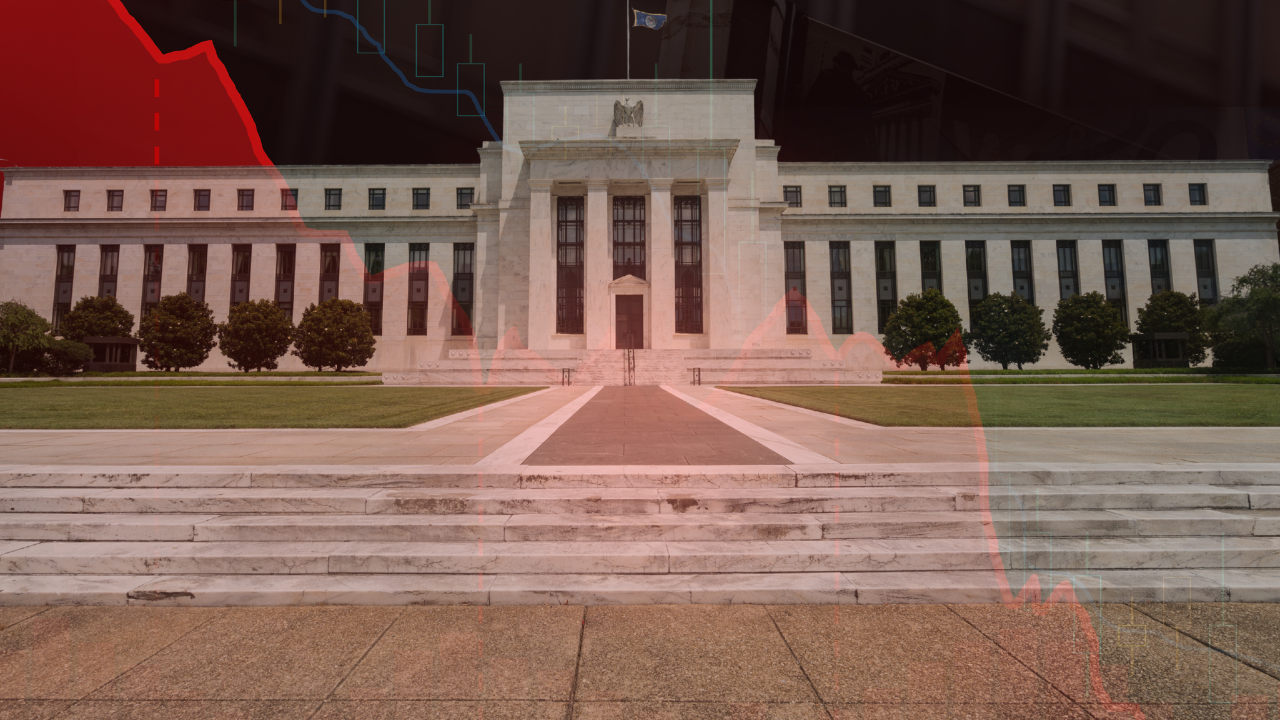
What Happens When a Central Bank Loses Its Credibility?
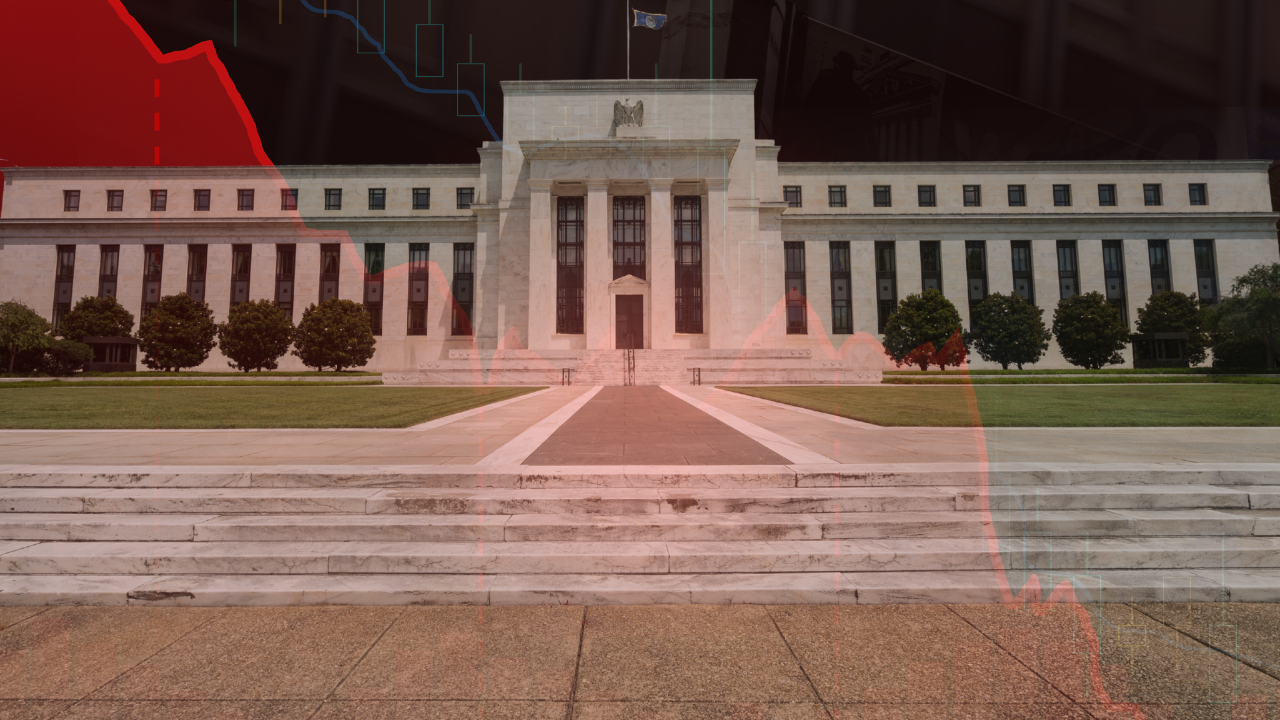
[fusion_builder_container type="flex" hundred_percent="no" equal_height_columns="no" hide_on_mobile="small-visibility,medium-visibility,large-visibility" background_position="center center" background_repeat="no-repeat" fade="no" background_parallax="none" parallax_speed="0.3" video_aspect_ratio="16:9" video_loop="yes" video_mute="yes" border_style="solid"][fusion_builder_row][fusion_builder_column type="1_1" layout="1_1" background_position="left top" border_style="solid" border_position="all" spacing="yes" background_repeat="no-repeat" margin_top="0px" margin_bottom="0px" animation_speed="0.3" animation_direction="left" hide_on_mobile="small-visibility,medium-visibility,large-visibility" center_content="no" last="true" hover_type="none" min_height="" link="" background_blend_mode="overlay" first="true"][fusion_text columns="" column_min_width="" column_spacing="" rule_style="" rule_size="" rule_color="" hue="" saturation="" lightness="" alpha="" user_select="" awb-switch-editor-focus="" content_alignment_medium="" content_alignment_small="" content_alignment="" hide_on_mobile="small-visibility,medium-visibility,large-visibility" sticky_display="normal,sticky" class="" id="" width_medium="" width_small="" width="" min_width_medium="" min_width_small="" min_width="" max_width_medium="" max_width_small="" max_width="" margin_top="" margin_right="" margin_bottom="" margin_left="" fusion_font_family_text_font="" fusion_font_variant_text_font="" font_size="" line_height="" letter_spacing="" text_transform="" text_color="" animation_type="" animation_direction="left" animation_color="" animation_speed="0.3" animation_delay="0" animation_offset="" logics=""]Central bank credibility was the focus of my PhD research. Since completing and publishing my thesis, I have frequently applied credibility theory in my professional work. Let me be clear from the start: this is NOT an academic post, but a professional perspective. My motivation for writing it is simple and very recent.While scrolling through the news this morning, I came across a warning from US Treasury Secr. Bessent about a potential recession if the Fed refuses to lower rates. This statement was made during an interview on CNN.Last week, Bessent also publicly listed the five most probable candidates for the Fed Chair position. What do they have in common? Two are members of the Fed’s Board of Governors nominated by Trump, one is the director of the National Economic Council appointed by Trump, one is a former member of the Board of Governors nominated by G.W. Bush, and the last one is BlackRock’s managing director and CIO, who, according to opensecrets.org, donated $33,400 to the Republican Party in 2016.Of course, a Democrat President appoints a Democrat to the Fed chair, and a Republican President appoints a Republican. This is neither a secret nor a new practice. However, here is the issue: Donald Trump is pressing for interest rate cuts, and now Bessent echoes that sentiment, warning of a recession and publishing a shortlist for the next Fed Chair at the same time. Furthermore, Trump claims he will name the next Chair before the end of the year, even though current Fed Chairman Jerome Powell’s term doesn't end until May.Just grasp the moment: the future chairman, who likely wants lower rates, has to wait (and certainly not in silence) until May, observing the current Chairman’s actions and potentially accusing him of ruining the economy with his policies. Since the next Chairman will be appointed by a Republican President and is currently outside the Fed, we cannot assume that their public statements will be unbiased, apolitical, or independent.At the same time, the American economy is facing increased inflation, which shows potential for an upward trend. Lowering interest rates would stimulate economic growth, but at the cost of rising inflation. As of September, inflation is at 3%, well above the Fed’s 2% target.The scenario described, with a nominated Chairman pressing for lower rates and a current Chairman holding firm, creates the public expectation that rates will decrease after May. The public is not stupid, they know that lower interest rates typically lead to higher inflation. This means large market players may start stockpiling early, raising demand and creating a self-fulfilling prophecy of rising inflation before interest rates even fall.I'm under no illusion that this blog post will influence major corporations. However, I want to warn professionals, small and medium business owners, and individuals to prepare for a period of high inflation. Current monetary policy, government pressure, and economic indicators all point in this direction. Regarding government pressure, I recently discussed the dynamics of debt and inflation with Asharq Business with Bloomberg. You can watch my analysis/interview with English or Greek subtitles below:[English Version][Greek Version]In conclusion, I feel a sense of foreboding for my fellow Americans given how things seem to be unfolding. Unfortunately, due to the close economic ties between the USA and the EU, I believe a recession in both regions is almost inevitable. The problem is compounded by the fact that the ECB already has very low interest rates (currently 2%), leaving it with almost no room to maneuver.[/fusion_text][/fusion_builder_column][/fusion_builder_row][/fusion_builder_container]

Real-Time Interpretation In The AI Era

[fusion_builder_container type="flex" hundred_percent="no" equal_height_columns="no" hide_on_mobile="small-visibility,medium-visibility,large-visibility" background_position="center center" background_repeat="no-repeat" fade="no" background_parallax="none" parallax_speed="0.3" video_aspect_ratio="16:9" video_loop="yes" video_mute="yes" border_style="solid"][fusion_builder_row][fusion_builder_column type="1_1" type="1_1" background_position="left top" border_style="solid" border_position="all" spacing="yes" background_repeat="no-repeat" margin_top="0px" margin_bottom="0px" animation_speed="0.3" animation_direction="left" hide_on_mobile="small-visibility,medium-visibility,large-visibility" center_content="no" last="no" hover_type="none" min_height="" link=""][fusion_text]
In a world where financial markets shift before your morning coffee cools down, the old "set it and forget it" investment philosophy is as outdated as using a payphone. Real-time macroeconomic interpretation isn't just becoming essential for personal financial decision-making, but it's already non-negotiable for anyone serious about building and protecting wealth in 2025. The evidence is overwhelming: AI-powered financial tools are helping individuals make smarter decisions by analyzing vast amounts of data way faster than humans, delivering timely insights that can dramatically improve decision-making processes. But here's the twist, the most powerful tool isn't the AI itself. It's your ability to understand what economic data means for your wallet, and to act on it with the precision of an algorithm.
The Economics Education Revolution:
Simpler Than You Think
Let's demolish a pervasive myth: understanding macroeconomics doesn't require a PhD from an Ivy League University. The fundamental concepts that drive personal financial decisions are refreshingly straightforward, and mastering them is about pattern recognition, not academic credentials.
When inflation rises, interest rates typically follow, meaning your mortgage payments might increase, but your savings accounts will finally earn something meaningful. When interest rates decrease, the economy might be struggling, signaling it's time to reassess your risk tolerance and perhaps shift toward more defensive investments. When unemployment rises alongside slowing GDP growth, a recession becomes imminent and your emergency fund suddenly transforms from "nice to have" to "financial lifeline". These aren't complex economic theories. They're cause-and-effect relationships that directly impact your daily financial reality. The beauty lies in their simplicity: once you understand these patterns, they become as automatic as checking both ways before crossing the street.
Algorithmic Decision-Making for Human Wallets
The most successful personal finance strategies mirror algorithmic thinking. This means crystal-clear predetermined decisions that remove emotion from the equation. Think of it as creating personal financial "if-then" statements that activate automatically when economic conditions change. This approach transforms reactive financial management into proactive wealth building. When inflation hits 4%, your algorithm automatically reduces discretionary spending by 10% and increases commodity exposure. When unemployment spikes above 6% while GDP contracts, your algorithm shifts 20% of growth investments into defensive sectors. These aren't suggestions, but predetermined actions that execute regardless of market sentiment or financial media hysteria.
AI-powered platforms use massive volumes of data and advanced algorithms to evaluate trends, forecast market moves, and provide specialized investment plans. The same systematic approach that makes AI successful can be applied to personal finance, creating a framework where economic changes trigger specific, predetermined financial responses.
The Multi-Source Solution:
Beyond Single-Expert Bias
Economic analysis is inherently subjective, and even the most seasoned professionals can miss crucial context. The solution isn't avoiding expert interpretation. It's accessing multiple perspectives efficiently. Consensus forecasts average the predictions of leading professional forecasters to give you a more accurate forecast. There are numerous platforms that aggregate insights from hundreds of expert economists, providing balanced, reliable forecasts that are crucial for informed decision-making. This approach reduces bias, enhances precision, and delivers the kind of multi-angle analysis that individual experts simply can't provide. For time-efficient comparison, real-time economic data platforms offer comprehensive dashboards that synthesize multiple expert viewpoints automatically. These tools aggregate publicly available economic data from national and international statistical institutions, presenting conflicting interpretations side-by-side so you can identify consensus and outliers quickly.
AI: Your Personal Economics Interpreter
Here's where the magic happens: AI has democratized financial advice, making it accessible to a broader audience. With the right prompts, AI chatbots can transform raw economic data into personalized financial strategies without requiring extensive economic training. The key lies in crafting specific, context-rich prompts. Instead of asking "What does rising inflation mean?", try "I have $50,000 in cash savings and a variable-rate mortgage. Inflation just hit 5% and the Fed is likely to raise rates. What specific actions should I take in the next 30 days?". This approach leverages AI's pattern recognition capabilities while grounding the advice in your specific financial situation. AI-driven tools excel in offering smart savings recommendations by analyzing users' financial habits and suggesting areas for potential savings. The technology can provide fairly accurate breakdowns of money allocation for financial goals or at least put you on the right path toward optimized financial planning.
The Learning Investment That Pays Dividends
Ultimately, people should invest in learning the basics of economics. The resources have never been more accessible or engaging. YouTube channels dedicated to economics education offer comprehensive courses that rival university curricula. Books remain invaluable for deep understanding, but the real game-changer is the combination approach: read foundational texts, watch explanatory videos, and then practice applying concepts using AI tools for interpretation and analysis. This creates a feedback loop where theoretical knowledge meets practical application, accelerating your learning curve dramatically.
The Strategic Advantage of Economic Awareness
In 2025's rapidly evolving economic landscape, access to real-time macroeconomic interpretation serves as your financial early warning system. While others react to market changes after they've already occurred, you'll be positioning your finances based on leading indicators and economic patterns. This isn't about becoming a day trader or obsessing over every economic data point. It's about developing the framework to make informed decisions when economic conditions shift. Decisions that compound over time into significant financial advantages. By closely monitoring key indicators like GDP, inflation, unemployment rates, interest rates, and consumer confidence, investors can better anticipate market trends and adjust their strategies accordingly.
The era of passive financial management is over. In a world where economic conditions change rapidly and unpredictably, real-time macroeconomic interpretation isn't just helpful, it's the foundation of intelligent personal finance. Master these tools, and you'll transform from a financial passenger into the pilot of your economic destiny.
[/fusion_text][/fusion_builder_column][/fusion_builder_row][/fusion_builder_container]